Root-cause focus
We look beyond the nearest slow drain when the symptoms suggest a larger issue.
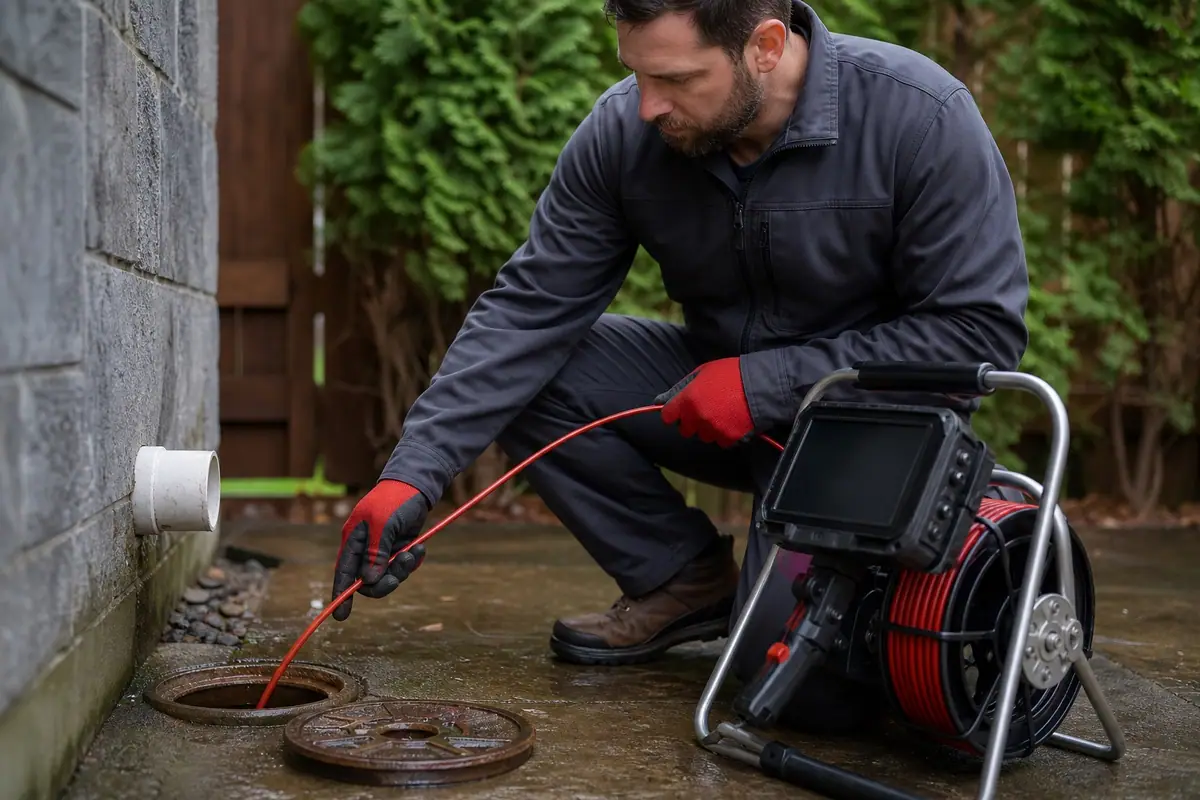
Drain diagnosis, camera inspection, targeted repair, and practical next steps for slow, blocked, or damaged lines.
Repeated clogs, backups, odors, and slow drains can point to more than a simple obstruction. We identify which fixtures are affected, evaluate accessible cleanouts and piping, and use the right inspection approach for the problem.
Tree roots, older materials, ground movement, and long runs can affect local drain and sewer systems. A camera view and careful interpretation can help distinguish maintenance from a damaged or poorly aligned line.
We look beyond the nearest slow drain when the symptoms suggest a larger issue.
Camera inspection can reveal obstructions, damage, or alignment concerns.
Findings are translated into clear maintenance or repair recommendations.
The final recommendation depends on the existing system, access, materials, project goals, and applicable requirements.
Discuss My ProjectGood plumbing work should make the next decision obvious. Each phase has a purpose, from diagnosis through testing.
We listen, inspect the accessible system, and explain the practical options before work begins.
The work is planned around safety, code requirements, long-term performance, and the condition of the existing system.
We test the completed work, clean the area, and review what was done and what to watch for.
Not sure whether this is the right service? Describe the symptoms or project and include your location. We'll help you choose the next step.
Ask about your project →Every property is different, but these answers cover the decisions customers ask about most often.
It is especially useful for recurring problems, multiple affected fixtures, suspected damage, or when the location and condition of a buried line need to be understood.
Not always. Standing water, heavy buildup, or limited access can affect visibility, but an inspection often provides valuable direction.
Yes. The repair approach depends on the location, material, condition, access, and extent of the failure.
Plumbing systems overlap. These related services may help complete the diagnosis or project plan.
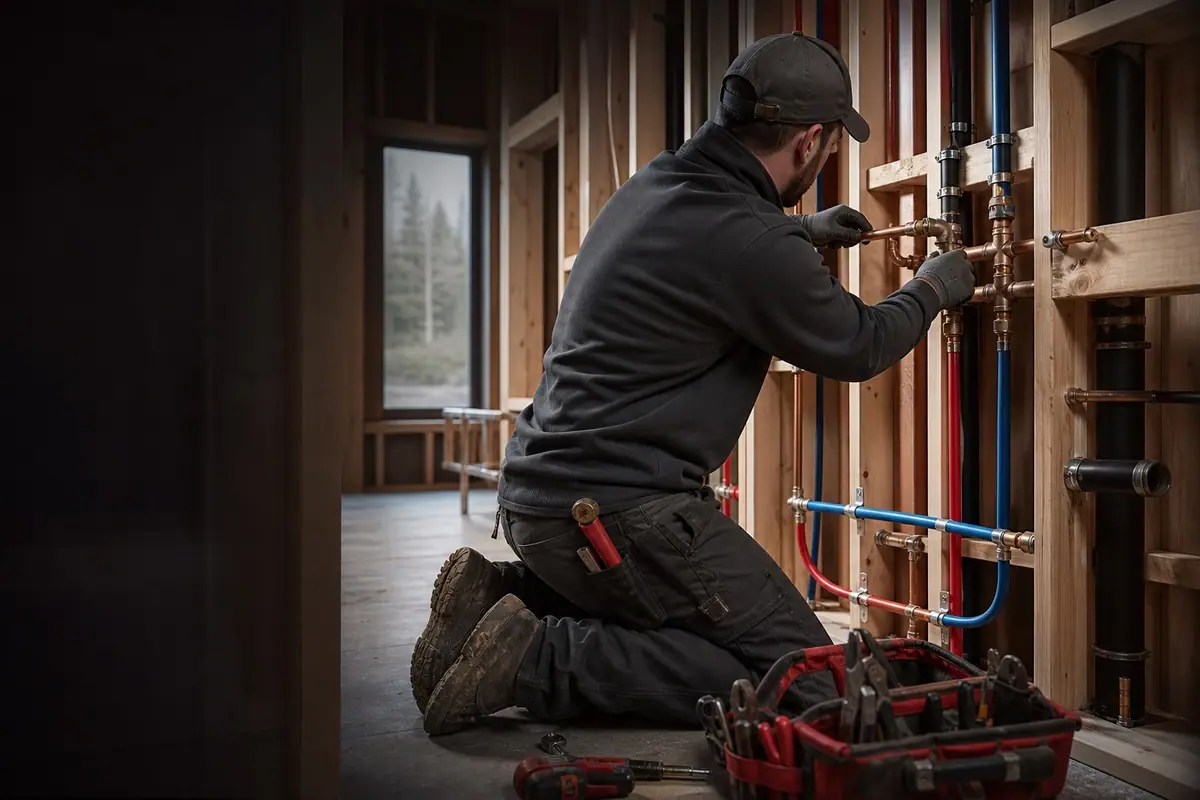
Plumbing for new homes, additions, tenant improvements, and commercial spaces—coordinated from the first pipe run through final connections.
View service →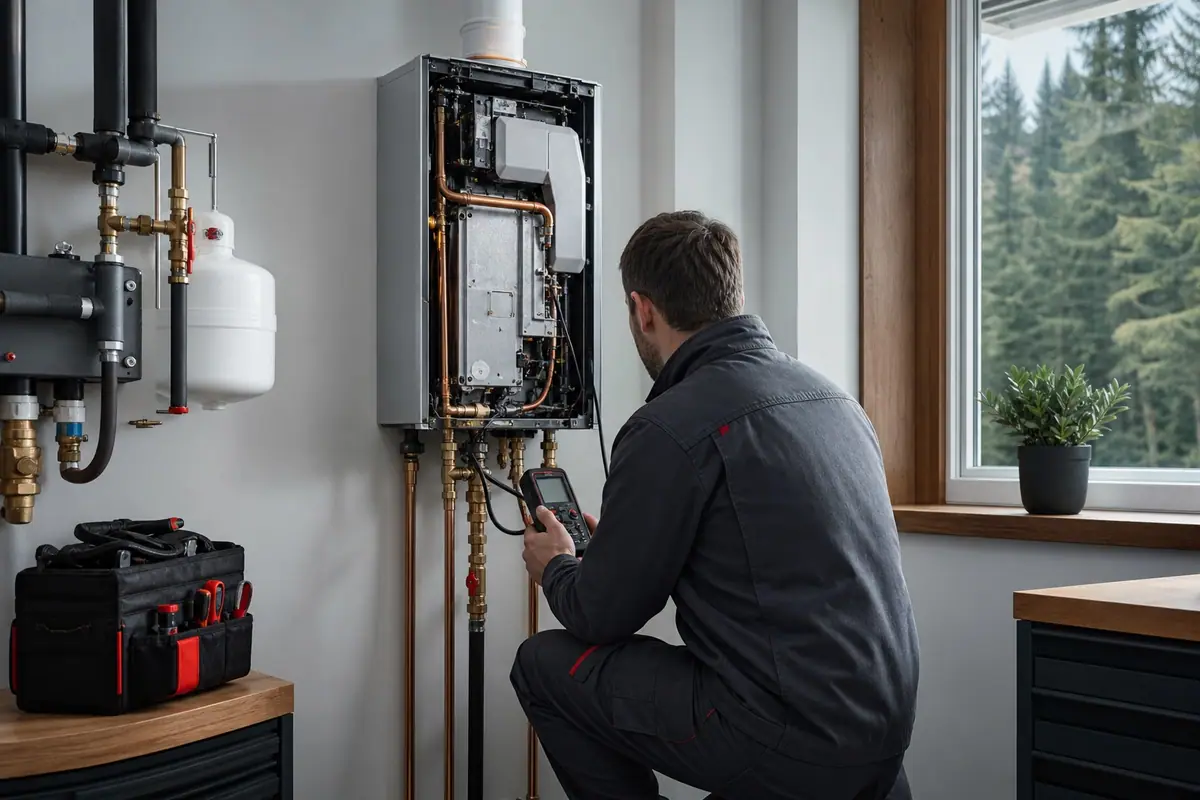
Repair, replacement, tankless installation, and maintenance for safe, efficient hot water at home or at work.
View service →
New gas lines, appliance connections, pressure testing, and repairs completed with safety and system capacity in mind.
View service →Share the symptoms, location, and timing. We'll help you choose the right next step.