System view
Boiler connections, pumps, zones, valves, and manifolds are evaluated together.
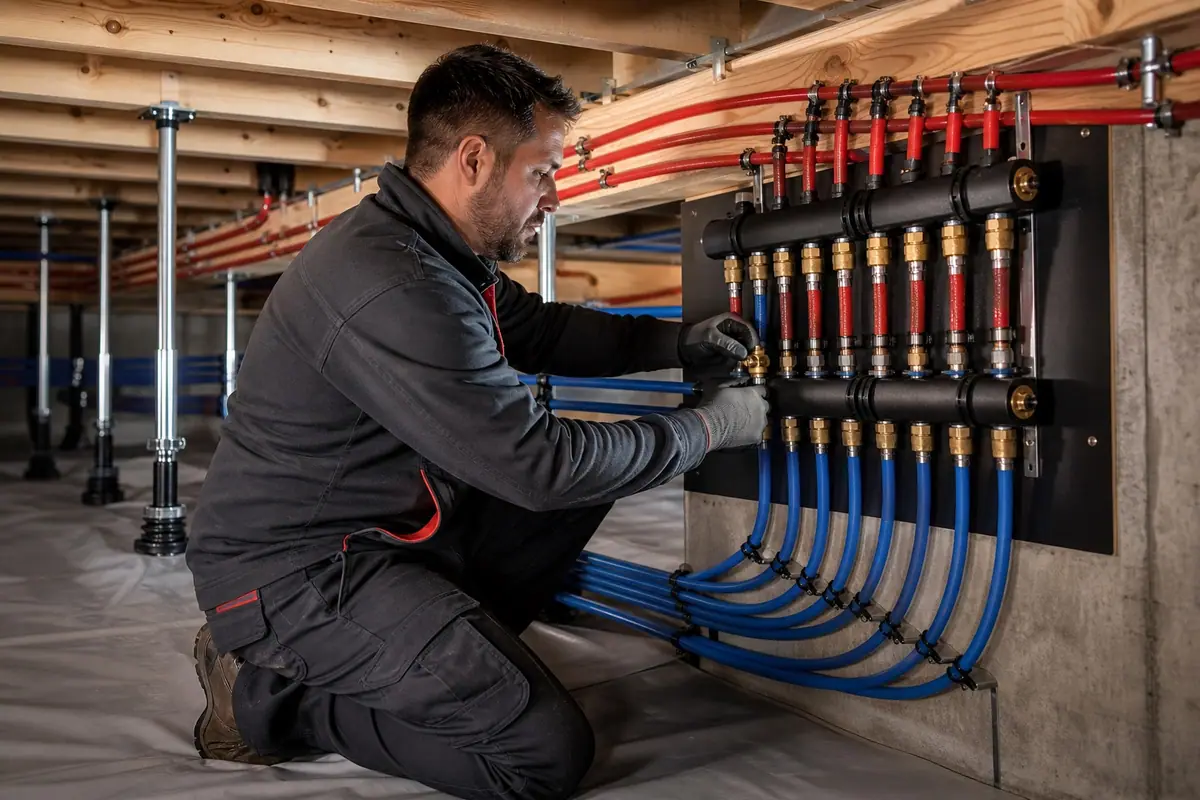
Plumbing support for boilers, radiant heat, circulators, valves, manifolds, and hydronic system improvements.
Hydronic heating depends on controlled water temperature, reliable circulation, air removal, pressure management, and well-organized zones. We evaluate the plumbing side of the system and explain what is needed for dependable operation.
Radiant floors and boiler systems are a practical fit for many Pacific Northwest homes. Existing systems vary widely, so equipment, controls, piping, and emitters should be considered together before changes are made.
Boiler connections, pumps, zones, valves, and manifolds are evaluated together.
Flow, air, pressure, and temperature concerns guide the service plan.
Organized piping and isolation points support future maintenance.
The final recommendation depends on the existing system, access, materials, project goals, and applicable requirements.
Discuss My ProjectGood plumbing work should make the next decision obvious. Each phase has a purpose, from diagnosis through testing.
We listen, inspect the accessible system, and explain the practical options before work begins.
The work is planned around safety, code requirements, long-term performance, and the condition of the existing system.
We test the completed work, clean the area, and review what was done and what to watch for.
Not sure whether this is the right service? Describe the symptoms or project and include your location. We'll help you choose the next step.
Ask about your project →Every property is different, but these answers cover the decisions customers ask about most often.
Yes. Scope can include hydronic piping, circulators, valves, manifolds, expansion components, leaks, and related plumbing connections.
Possible causes include air, flow imbalance, a valve or circulator issue, control settings, emitter sizing, or insulation. Diagnosis should consider the complete zone.
Sometimes. Available floor buildup, heat-load needs, equipment capacity, piping routes, controls, and finish plans all affect feasibility.
Plumbing systems overlap. These related services may help complete the diagnosis or project plan.
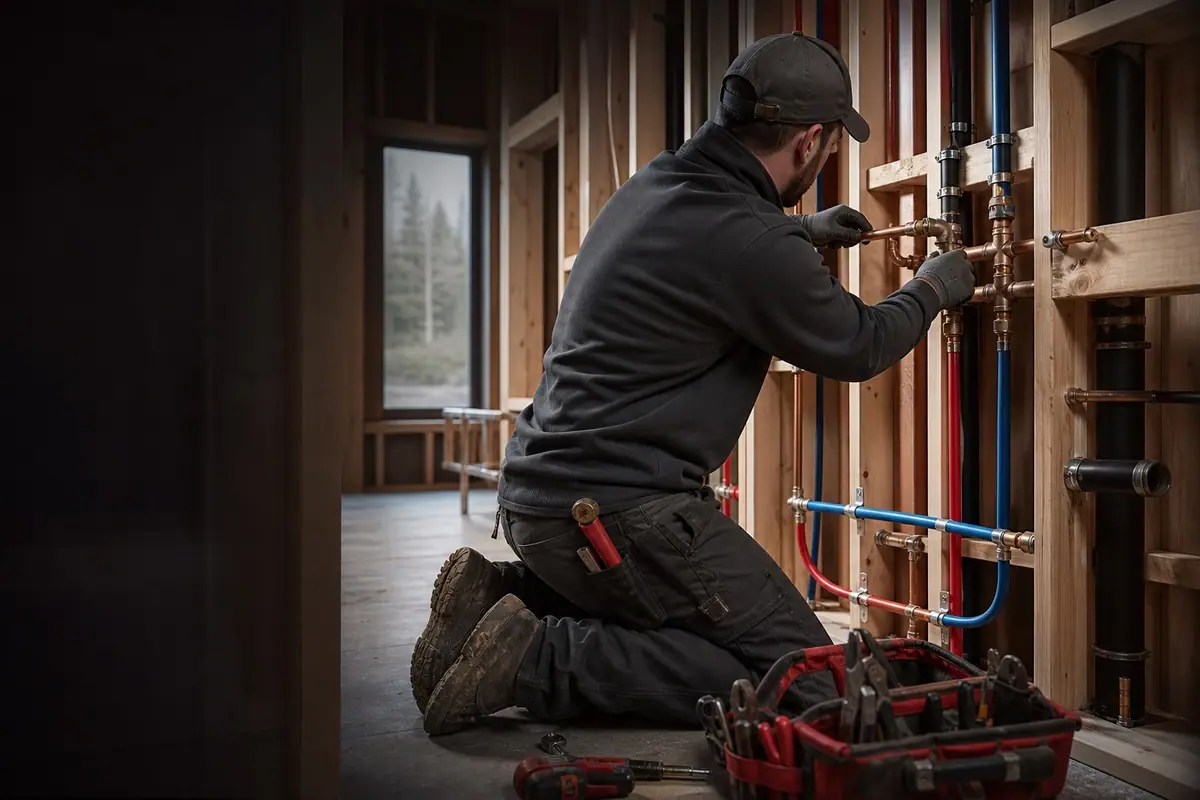
Plumbing for new homes, additions, tenant improvements, and commercial spaces—coordinated from the first pipe run through final connections.
View service →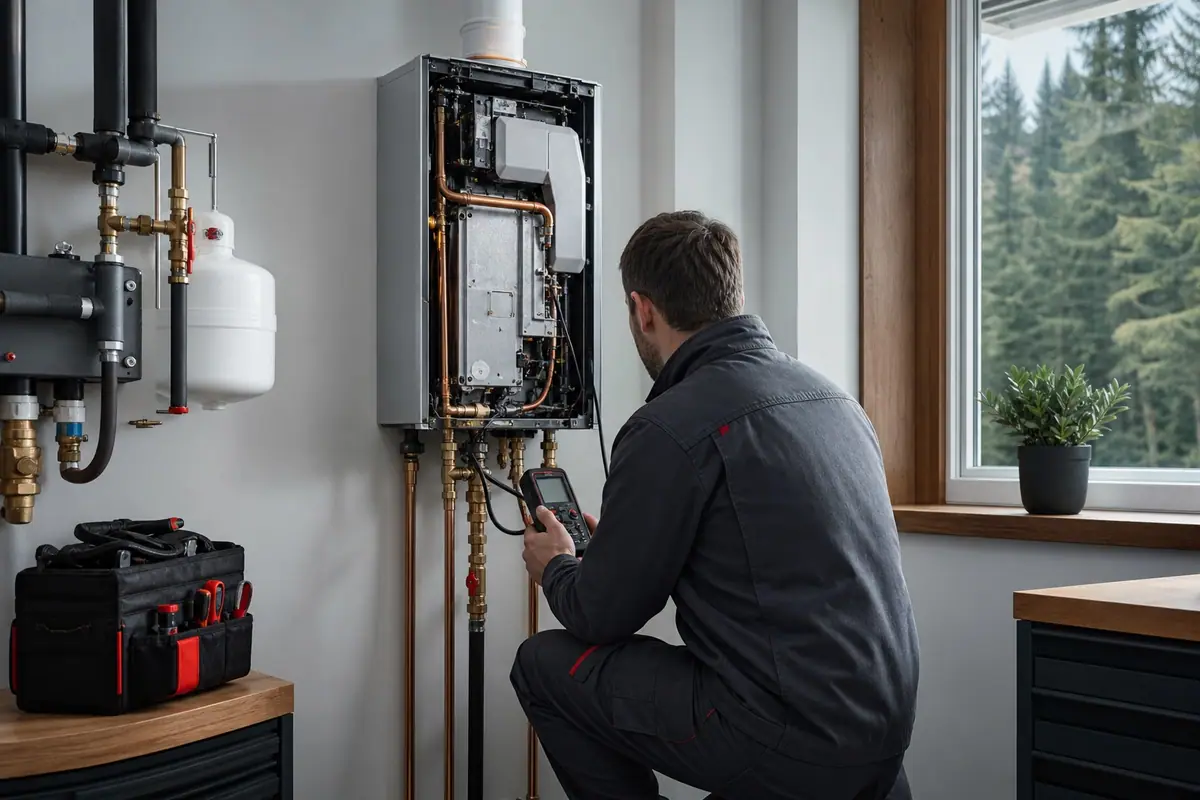
Repair, replacement, tankless installation, and maintenance for safe, efficient hot water at home or at work.
View service →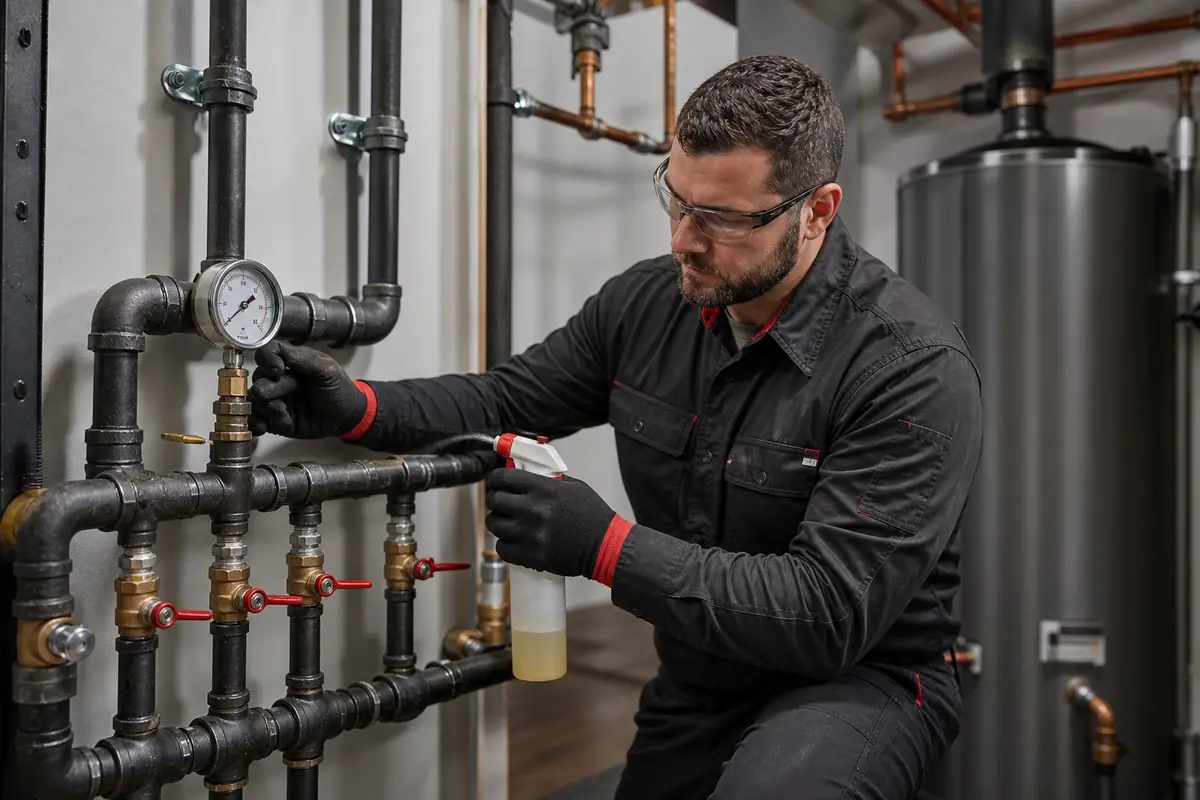
New gas lines, appliance connections, pressure testing, and repairs completed with safety and system capacity in mind.
View service →Share the symptoms, location, and timing. We'll help you choose the right next step.